
04 Sep Conservation After Dark | Observing The Unseen
Botlierskop’s conservation programme is built around a simple principle: you cannot effectively conserve what you do not understand. While much of Africa’s wildlife research has historically focused on large, charismatic species, Botlierskop is also placing significant emphasis on the smaller and more elusive animals that form an essential part of the Fynbos ecosystem.
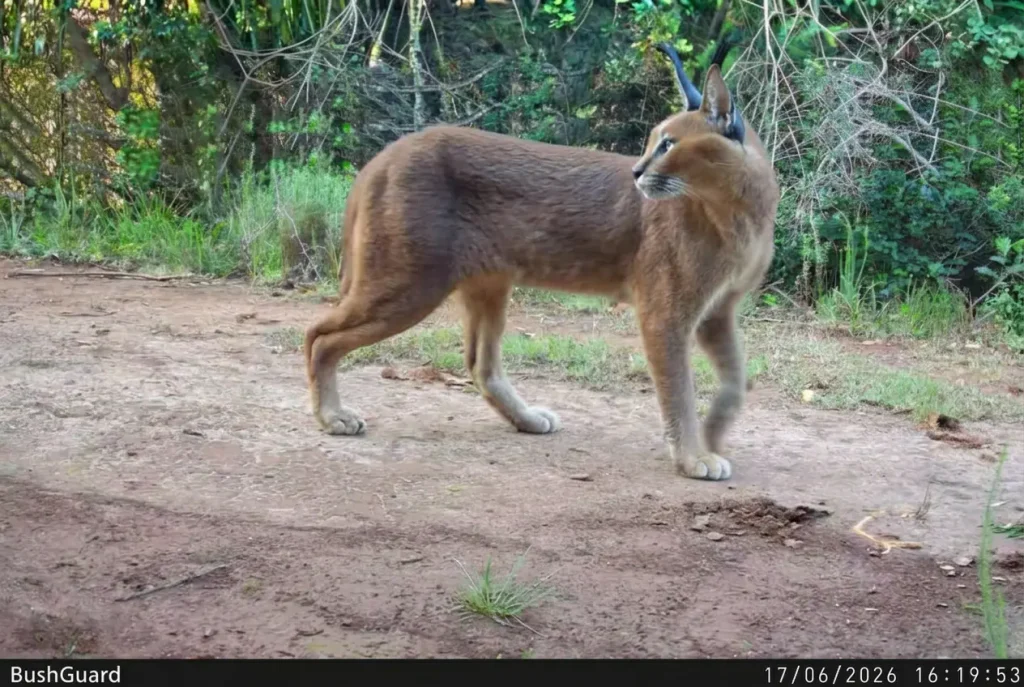
Through strategically placed camera traps, active spoor tracking, field observations and long-term data collection, the reserve is developing an increasingly detailed understanding of species such as caracal, porcupine and genet, while simultaneously investigating the presence and movements of potential leopards. Particular attention is being given to caracal movements within the Fynbos biome, where relatively little long-term movement data exists.
When The Sun Goes Down
Some of the reserve’s most fascinating wildlife activity happens after sunset. As the landscape changes with the setting sun, the conservation team heads out into the reserve to observe species that are rarely seen during the day, such as genets.
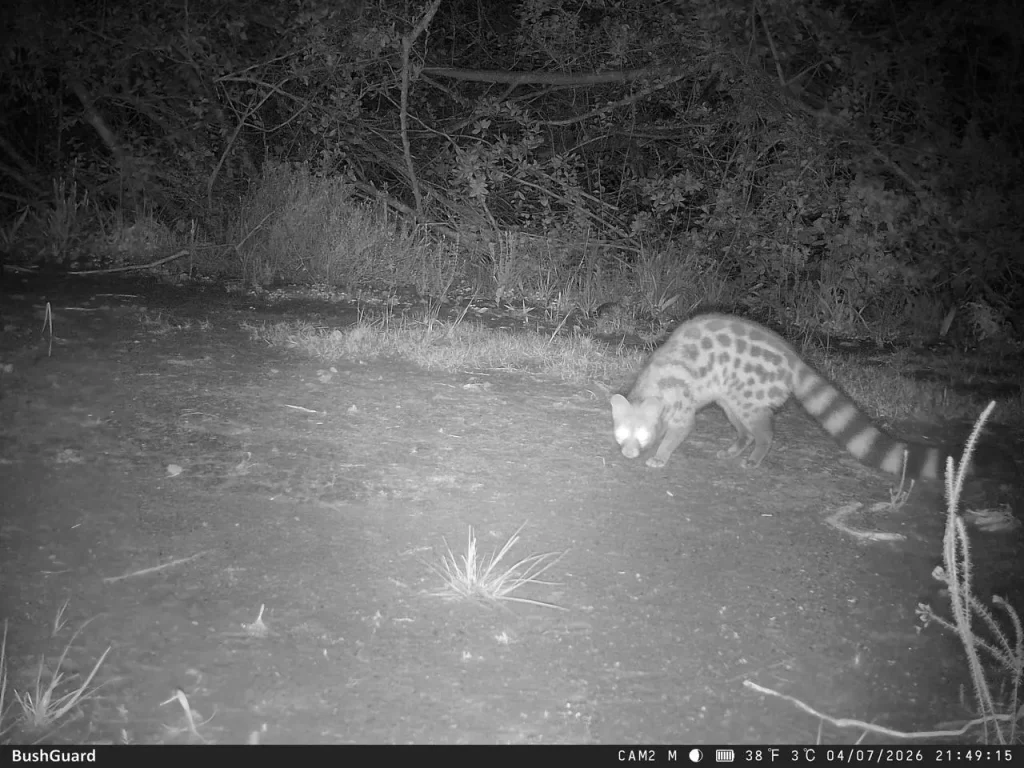
Night surveys require patience, careful observation and a different way of reading the landscape. Tracks, calls, movement and other subtle signs can provide clues about what has passed through an area. These quiet hours in the field allow the team to experience a side of Botlierskop that remains largely unseen, while adding valuable observations to the ongoing research.
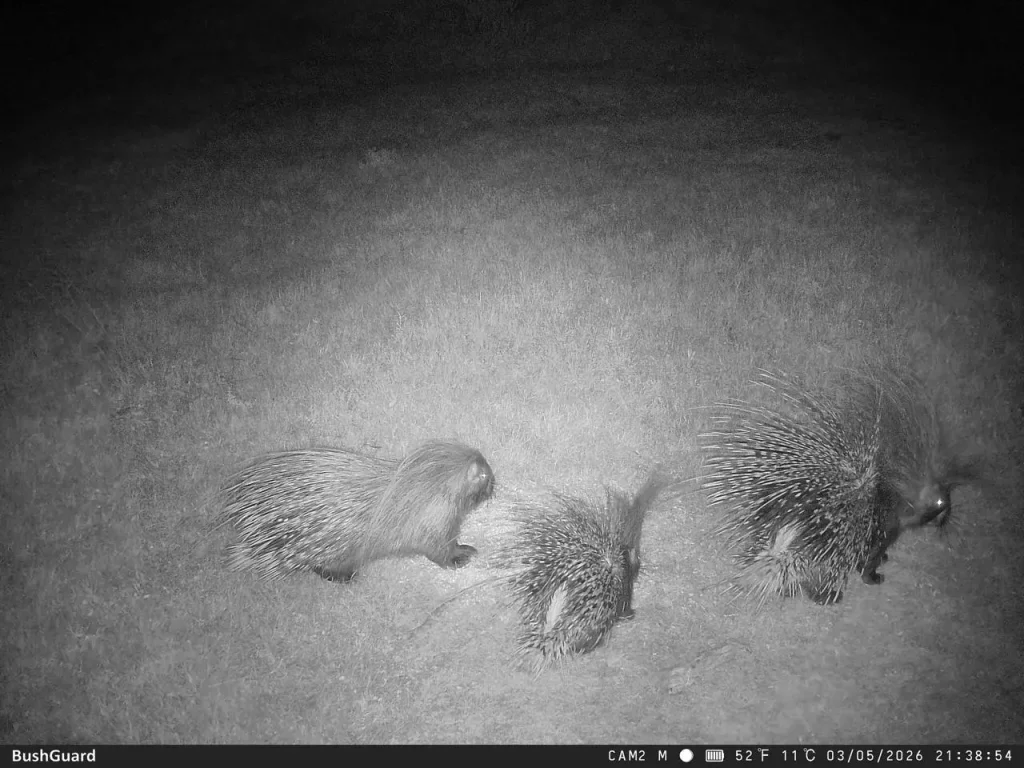
This work is especially significant because Botlierskop is pioneering the collection of structured movement and behavioural data on these species within the Fynbos biome. Rather than viewing individual sightings in isolation, the programme aims to build long-term datasets that reveal patterns over time, where animals such as porcupines move, which habitats they prefer, how they use river systems and thickets, and how they respond to the changing landscape around them.
The leopard monitoring programme adds another important dimension. By combining camera-trap evidence with active tracking and field observations, Botlierskop is working towards a better understanding of one of the region’s most elusive predators and its potential role within this unique ecosystem.
Ultimately, the objective is not simply to produce numbers or records, but to create a living scientific picture of Botlierskop’s wildlife. Every photograph, track, movement record and observation becomes another piece of that picture. Over time, these datasets can help guide habitat management, identify important wildlife corridors, improve conservation decisions and contribute knowledge to the broader understanding of wildlife ecology in the southern Cape.
For Botlierskop, conservation therefore extends beyond protecting animals that are already known to be there. It is about discovering, documenting and understanding the biodiversity of an exceptionally under-studied ecosystem, and creating a scientific foundation for its protection into the future.
Sometimes, understanding the wild means stepping into the darkness and simply taking the time to observe.
A special thank you to David van Zyl, one of our field guides, for sharing his knowledge and camera-trap photographs for this blog.
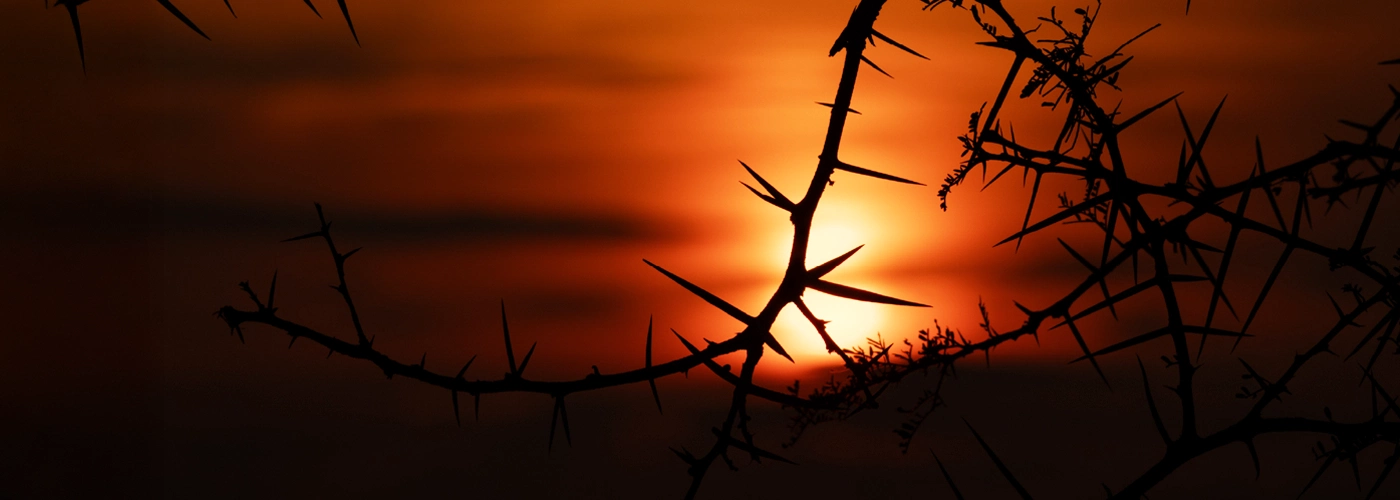
Thank you also to fellow field guide Jared Meyer for the beautiful cover image.