
24 Nov Stories Written in Stone
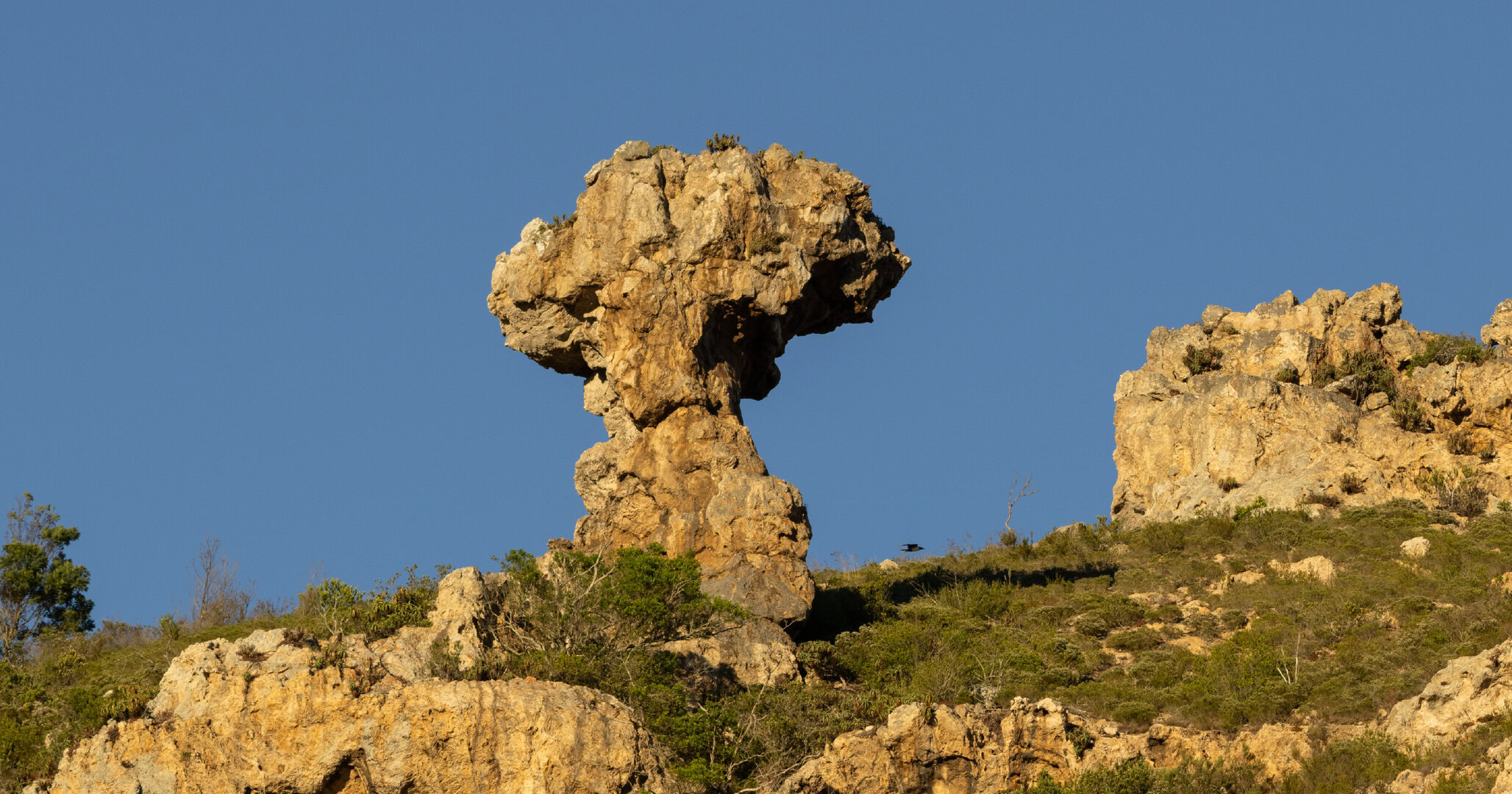
Every landscape has a story, and at Botlierskop Private Game Reserve, some of its oldest stories are written directly into the stone. Beneath the rolling hills, winding rivers and diverse vegetation lies a fascinating geological history stretching back millions of years. The rocks scattered across the reserve are more than just part of the scenery; they are remnants of ancient environments, powerful natural forces and a constantly evolving Earth. The reserve is alive with wildlife, but its natural treasures don’t end there. Beneath the footprints of elephants and the shadows of giraffes lies another fascinating world – one of ancient rocks, intriguing formations and geological wonders that tell a story millions of years in the making. From their colours and textures to the stories hidden within their formations, each rock offers a glimpse into the rich history of the land. So, next time you explore Botlierskop Reserve, take a moment to look around at the rock formations, whether beneath your feet or along the surrounding rock faces. You might be surprised by the remarkable wonders hidden within these ancient stones.
Stories on the Stone
Before we explore the stories hidden within the stones themselves, let’s begin with the stories painted onto them thousands of years ago. Beyond its diverse wildlife and ancient geological formations, Botlierskop holds a rich cultural history.
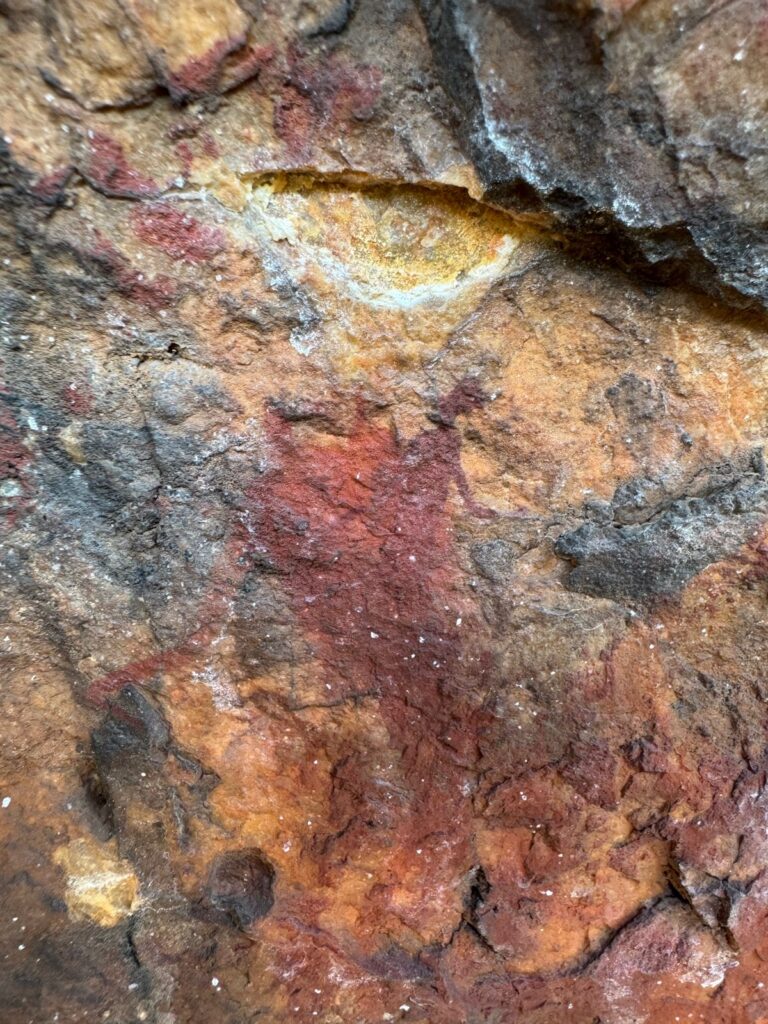
Here, ancient rock paintings offer a glimpse into the lives, traditions and beliefs of the people who once inhabited this region. Approximately 2 000 years ago, the Botlierskop area was inhabited by the KhoiSan. Ancient Khoisan rock art believed to be around 2 000 years old still survives. Their survival is particularly remarkable, as sandstone is not generally considered an ideal surface for preserving rock art. Yet, these delicate markings have endured, leaving behind a lasting connection to those who came before us.
More than simply paintings on stone, these artworks offer a window into a world where wildlife, nature and the surrounding environment were deeply woven into everyday life, culture and identity. They reflect generations of knowledge, observation and a profound connection to the natural world.
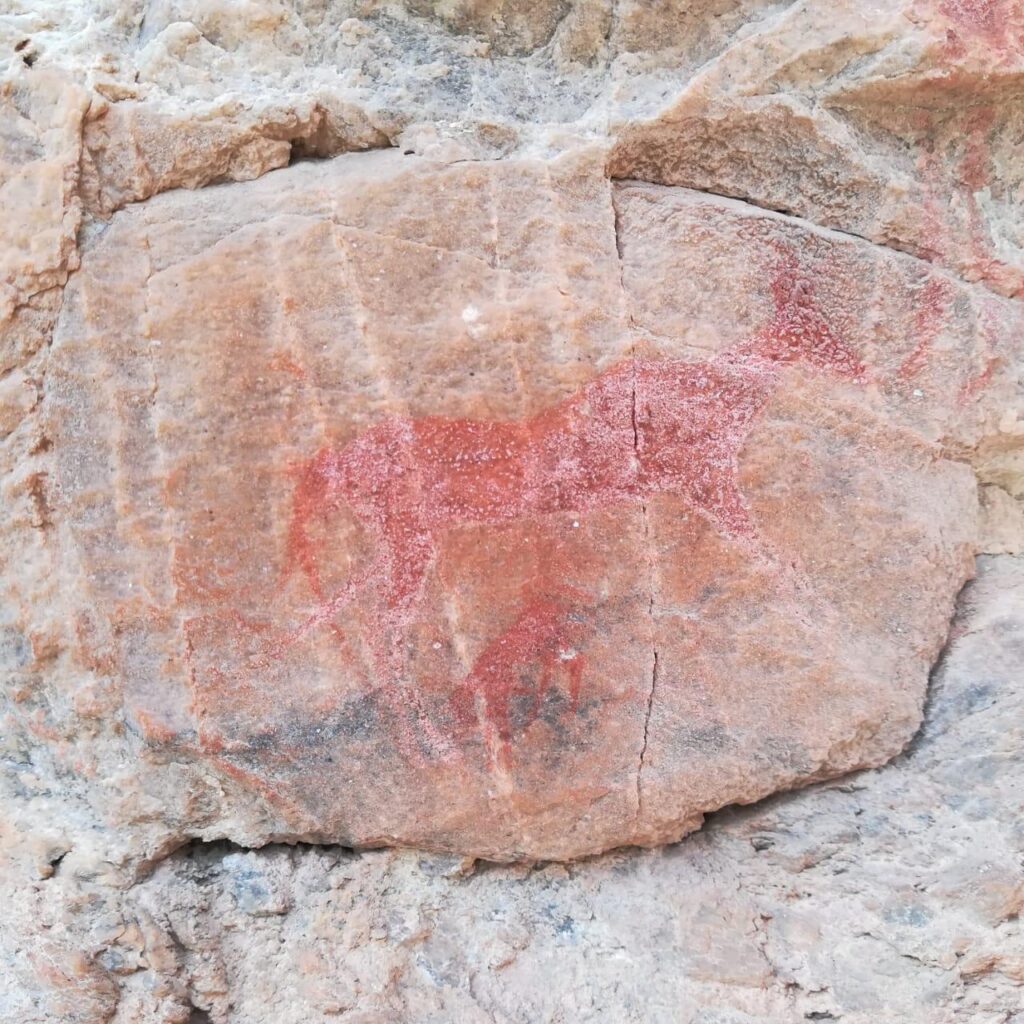
Preserving Botlierskop means protecting more than its wildlife and natural habitats. It also means safeguarding the cultural and archaeological treasures that connect us to the people, traditions and history of this remarkable place.
As we reflect on the marks these people left behind, we are reminded that the reserve holds stories extending far beyond the wildlife we see today. And with that, let’s turn our attention to the very landscape that holds these stories – exploring the fascinating variety of rock formations and geological treasures found throughout Botlierskop.
Born of Wind & Water – Sedimentary Rocks
Over thousands and even millions of years, tiny particles of sand, mud and other sediments settle, accumulate and gradually become compacted and cemented into rock. Carried by rivers, wind and water, these materials form layers that preserve clues to ancient landscapes and environments. Among the sedimentary rocks found at Botlierskop are conglomerate, made up of naturally cemented
pebbles and rock fragments, and quartz sandstone, formed from sand grains deposited along ancient beaches, riverbeds and deserts. Their textures and structures reveal fascinating details about the environments that existed long before the landscape we see today.
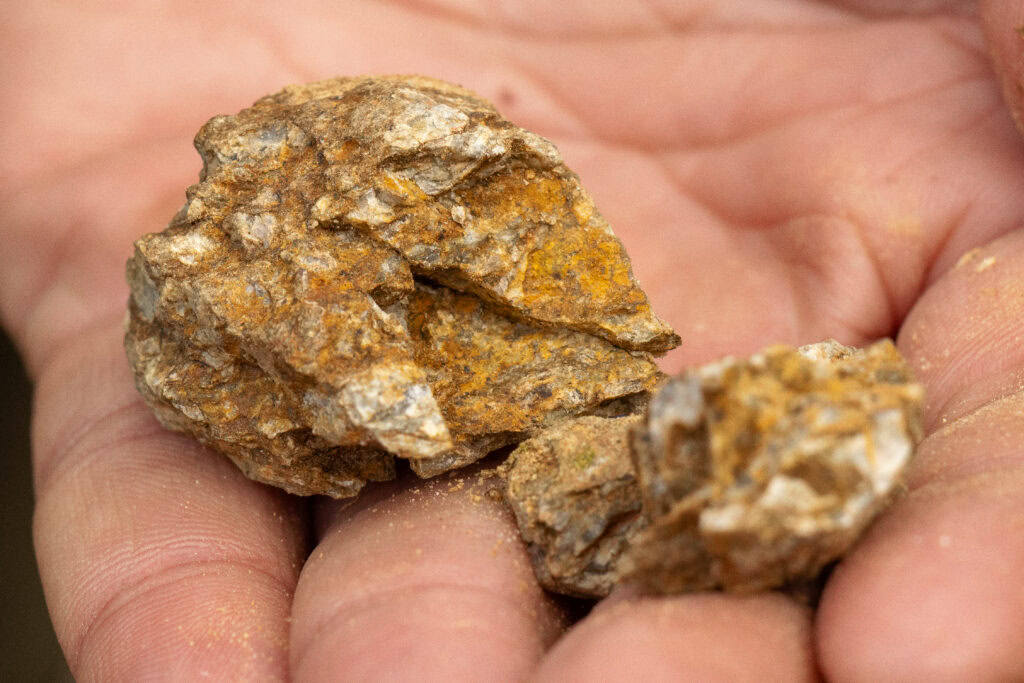
Igneous rocks form when molten magma or lava cools and hardens. The cooling rate determines their texture, with granite developing large crystals as it cools slowly underground, while basalt forms a finer-grained rock through rapid cooling at the surface. The iconic rock formations that characterise the Botlierskop landscape are predominantly granite, offering a striking reminder of the powerful geological forces that shaped the reserve.
Over time, existing rocks can also be transformed by intense heat and pressure, creating metamorphic rocks without ever melting. Gneiss is recognised by its distinctive alternating bands of light and dark minerals, while quartzite forms when quartz-rich sandstone recrystallises under heat and pressure, creating an exceptionally hard and durable rock.
Together, these remarkable formations tell the story of the geological forces that have shaped Botlierskop over millions of years.
Conclusion
Long before the first wildlife roamed these hills, and long before the landscape took on the shape we recognise today, these ancient stones were already part of an ever-changing world. Shaped by time, weather and the forces of nature, they remain quiet reminders of the remarkable history beneath our feet. At Botlierskop, every hill, outcrop and weathered formation forms part of a story that continues to unfold – one that invites us to look a little closer, appreciate a little more, and remember that even the smallest details of nature can hold extraordinary stories!